How to Choose a Trustworthy Water Damage Restoration Company in 2026
Water damage remains one of the most common and devastating issues homeowners and businesses face. In 2026, with climate change intensifying extreme weather events like floods and heavy rains, the frequency of such incidents has surged. According to recent reports, non-catastrophe water losses continue to rise due to aging infrastructure, larger homes with more plumbing points, and unpredictable weather patterns. Whether it's a burst pipe, a leaking roof, or a full-blown flood, the aftermath can lead to structural damage, mold growth, and health hazards if not addressed promptly. That's where a reliable water damage restoration company comes in. But with so many options available, how do you pick the right one? In this era of advanced technology and sustainability focus, choosing a trustworthy provider isn't just about quick fixes it's about ensuring long-term resilience and efficiency.
In 2026, the restoration industry is evolving rapidly. Innovations like AI-driven assessments, IoT sensors for early detection, and eco-friendly methods are standard in top-tier services. The global market for water damage restoration is projected to grow significantly, driven by these tech integrations and a push toward sustainable practices. This blog post will guide you through the essential steps to select a company that not only restores your property but does so with cutting-edge tools, transparency, and environmental responsibility. We'll cover certifications, experience, technology, reputation, and more, helping you make an informed decision in this fast-paced year.
Step 1: Verify Certifications, Licensing, and Insurance
The foundation of any trustworthy water damage restoration company is proper credentials. In 2026, regulations have tightened, especially with increased focus on environmental compliance and worker safety. Start by checking if the company is licensed to operate in your state or locality. Licensing ensures they meet basic legal requirements for handling hazardous materials like contaminated water or mold.
Next, look for certifications from reputable organizations. The Institute of Inspection, Cleaning, and Restoration Certification (IICRC) remains the gold standard. An IICRC-certified firm invests in ongoing training and adheres to industry best practices, including the latest in antimicrobial treatments and moisture detection. In recent years, certifications have expanded to include sustainable restoration techniques, reflecting the shift toward green solutions.
Insurance is non-negotiable. A reliable company should carry general liability insurance, workers' compensation, and pollution liability coverage. This protects you from any accidents or further damage during the restoration process. Ask for proof of insurance and verify it directly with the provider. In 2026, with rising litigation around environmental impacts, companies without adequate coverage could leave you liable for unforeseen issues.
Don't forget bonding it's an extra layer of protection against incomplete work or theft. Reputable firms will gladly provide documentation. If a company hesitates, that's a red flag. As one expert notes, the restoration industry isn't as strictly regulated as others, making certifications even more crucial.
Step 2: Evaluate Experience and Expertise
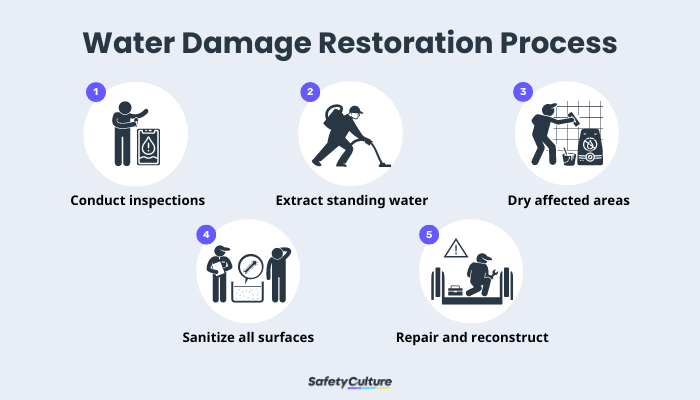
Experience matters immensely in water damage restoration. A company that's been in business for years is more likely to handle complex scenarios effectively. In 2026, look for firms with at least a decade of operation, as they've adapted to emerging trends like predictive analytics for flood risks. Ask about their track record: How many similar projects have they completed? Do they specialize in residential, commercial, or both?
Expertise goes beyond years it's about specialized knowledge. Inquire if their technicians are trained in the latest methods, such as Category 1 (clean water) versus Category 3 (black water) cleanup, which requires handling sewage and toxins. With mold growth possible in under 48 hours, experienced teams use advanced tools to prevent it.
Local experience is key. Companies familiar with your area's climate whether it's hurricane-prone coasts or freeze-thaw cycles in colder regions can anticipate unique challenges. For instance, in flood-heavy areas, they might employ IoT sensors for real-time monitoring during restoration. Avoid out-of-state firms that swarm in after disasters; they often lack local knowledge and may use aggressive sales tactics.
Finally, assess growth. A expanding company indicates reliability and investment in staff. Get at least three quotes and compare their proposed plans a detailed, comprehensive approach shows expertise.
Step 3: Assess Technology and Innovative Methods
In 2026, technology is transforming water damage restoration from reactive to proactive. Trustworthy companies leverage AI, machine learning, and other innovations for faster, more accurate results. Ask about their tools: Do they use infrared thermal imaging to detect hidden moisture? What about LiDAR mapping for precise damage assessments?
AI-powered systems are a game-changer. They analyze data to predict damage patterns, optimize drying processes, and even automate inventory tracking of affected items. For example, remote assessments via drones or apps allow for quick initial evaluations, reducing response times. Sustainable tech is also rising: High-efficiency dehumidifiers and desiccant drying methods conserve energy and water.
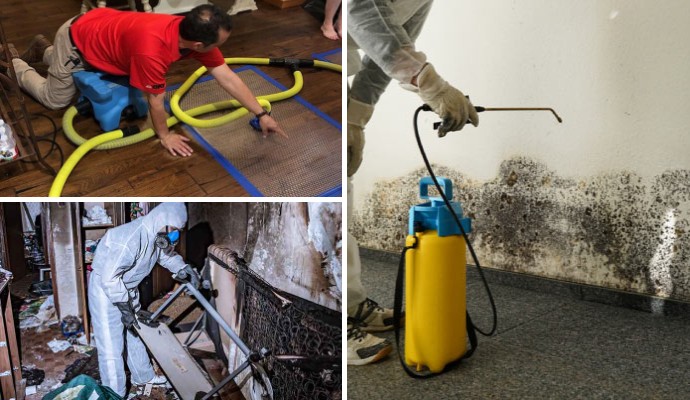
Inquire about antimicrobial treatments and eco-friendly materials. Top companies use low-toxicity solutions and zero-liquid discharge systems to minimize environmental impact. If a firm still relies on outdated equipment, they may not deliver efficient results. A forward-thinking company will explain how their tech reduces costs and downtime for you.

Step 4: Check Reputation and Customer Feedback
Reputation is everything. In the digital age of 2026, online reviews are abundant, but dig deeper. Check platforms like Google, Yelp, and the Better Business Bureau (BBB) for ratings and complaints. Pay attention to how companies respond to negative feedback—it shows accountability.
Seek local references. Ask the company for contacts from recent clients, and follow up. Friends, neighbors, or community groups can provide unbiased insights. Look for patterns: Consistent praise for thoroughness and communication is a good sign.
In 2026, social proof extends to X (formerly Twitter) and other platforms. Search for mentions of the company in real-time discussions about local disasters. A strong online presence with educational content (like blogs on prevention) indicates expertise.
Avoid companies with a history of high-pressure sales or unresolved issues. As restoration grows, so do scams stick to those with proven reputations.
Step 5: Consider Response Time, Availability, and Insurance Handling
Time is critical in water damage scenarios. Mold can start growing within 24-48 hours, so choose a company with 24/7 emergency services and rapid response ideally within an hour. In 2026, many use AI for instant scheduling and dispatch.
Availability includes full-service offerings: From initial assessment to final reconstruction. A one-stop shop handles mitigation, drying, and repairs, streamlining the process.
Insurance compatibility is vital. Reputable firms work directly with your insurer, handling claims and documentation. Ask if they have experience with your provider and can explain "pre-damage" conditions. Transparent pricing without hidden fees is essential get everything in writing.
Step 6: Prioritize Sustainability and Cost Transparency
Sustainability is a 2026 must-have. Look for companies using eco-friendly practices, like energy-efficient equipment and nature-based solutions for storm water management. This not only reduces your carbon footprint but aligns with growing regulations.
Cost transparency builds trust. Beware of low-ball estimates that balloon later. A trustworthy company provides detailed quotes, explaining costs per square foot (e.g., $3-7 for gray water cleanup). Factor in warranties good firms offer guarantees on work.


Comments
Post a Comment